


Nike, Inc., the world’s largest supplier of athletic shoes, apparel, and sports equipment, operates globally with headquarters near Beaverton, Oregon. Founded in 1964 as Blue Ribbon Sports and officially renamed Nike, Inc. in 1971, the company has grown into a cultural icon recognized for innovation, compelling storytelling, and the iconic Swoosh logo.
In today’s retail landscape, personalization has shifted from being a competitive advantage to an essential expectation. Modern consumers want brands to tailor experiences to their unique preferences and behaviors. According to Salesforce, 65% of consumers say they will stay loyal to companies that deliver personalized experiences.
This case study examines how Nike leverages data-driven personalization to enhance customer engagement. It will explore how Nike collects and uses first-party customer data through its digital platforms, such as the Nike App, SNKRS, Nike Training Club, and Nike Run Club, and personalization services like Nike By You. The study will delve into how Nike applies AI and predictive analytics to send tailored product recommendations and create personalized marketing campaigns. Finally, it will highlight the outcomes of these efforts and what other brands can learn from Nike’s approach.
Why Personalization Matters in Retail
Personalization has evolved from a nice-to-have to a baseline expectation. According to recent data from Endear, 71% of customers expect personalized experiences, and a staggering 76% feel frustrated when brands fail to deliver. This shows just how critical personalization has become to everyday shopping experiences. Moreover, most consumers are willing to share personal information if it leads to more relevant and tailored interactions, and they are significantly more likely to purchase from brands that deliver personalized experiences.
Furthermore, personalization powered by advanced data analytics strengthens customer retention, while AI-driven product recommendations significantly improve conversion outcomes. By leveraging data insights and machine learning models, brands can deliver the right product to the right customer at the right time. As a result, the retail industry is rapidly moving toward a future of hyper-personalization enabled by AI. Today, 95% of customer interactions are anticipated to be driven by AI by 2025, enabling brands to tailor experiences at scale, according to DemandSage.
Hyper-personalization, which leverages real-time customer behavior to shape marketing and offerings, is making significant strides. Brands are seeing substantial increases in conversions, and deeply tailored shopping experiences encourage stronger customer loyalty.
Despite this growing demand, many organizations face challenges in implementing personalization. A significant number of businesses struggle to deliver consistent personalization across all channels, and integrating customer data from multiple sources remains a major obstacle.
Nike’s Data-Driven Personalization Strategy
Nike’s personalization strategy begins with the collection of customer data across its wide ecosystem of digital touchpoints. Through platforms such as the Nike App, SNKRS, Nike Training Club, Nike Run Club, and the Nike Fit tool, the company gathers information on browsing habits, purchase behavior, workouts, and even detailed biometric data like foot shape. This information is unified through a Customer Data Platform, which integrates both online and in-store interactions, allowing Nike to maintain a holistic view of each customer and deliver personalized marketing, rewards, and recommendations that feel consistent across every channel as mentioned by MarTech 360.
The brand enhances this data with predictive analytics and artificial intelligence, relying on strategic acquisitions to sharpen its capabilities. Zodiac, for example, provides customer lifetime value insights and allows Nike to anticipate buying behavior, while Celect helps forecast demand at the local level to optimize inventory distribution. Together, these tools give Nike the ability to match supply with consumer preferences while also tailoring promotions to individual customers. The insights feed into executive dashboards and analytics platforms that support decision-making across the business.
Personalized product recommendations are a central element of this strategy. Nike’s AI engines analyze shopping history, fitness activity, and regional factors like climate to curate relevant suggestions for each customer. The brand also extends personalization into design through Nike By You, which recommends materials, colors, and styles aligned with both user preferences and broader fashion trends. These personalized touches increase the likelihood of purchase and strengthen the customer’s sense of connection to the brand.
Nike also leverages its fitness apps to integrate personal performance data into the customer experience. Both Nike Training Club and Nike Run Club capture detailed metrics such as workout frequency, pace, and elevation, which not only drive personalized training plans but also inform product recommendations aligned with the user’s activity. Nike Fit further refines this personalization by using computer vision and machine learning to generate a precise digital model of a customer’s feet, improving fit suggestions and contributing to new product development. The company even analyzes anonymized in-store behavior, such as the products customers try on, to create more localized retail experiences through initiatives like the Sport Pulse system.
By combining these approaches, Nike has built a robust personalization strategy that blends digital and physical interactions, predictive technology, and individual fitness data to deliver highly relevant experiences at scale.
Tactics Nike Uses to Boost Customer Engagement
Nike has built more than just a brand, it has created a lifestyle that keeps customers coming back. This loyalty doesn’t happen by chance, it’s the result of carefully designed engagement strategies that make every interaction with the brand feel personal, rewarding, and inspiring.
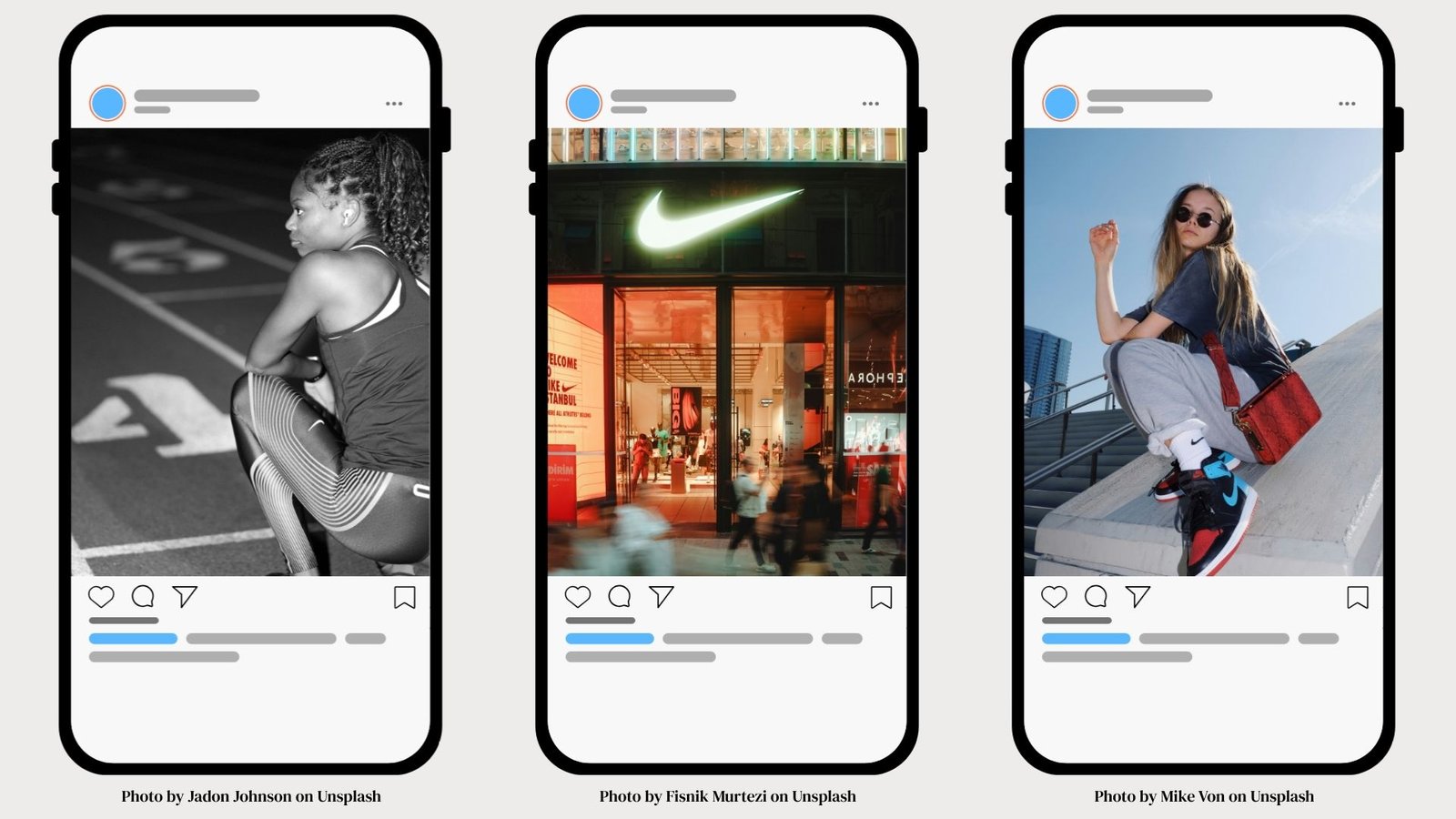
They use a mix of different key tactics, a few are:
1. Nike Membership Program
Nike’s free membership program is at the heart of its engagement strategy. Members get early access to exclusive product drops, personalized rewards, and invitations to special events. This sense of exclusivity makes customers feel like insiders, strengthening their emotional connection with the brand. For example, sneaker enthusiasts often join just to access limited-edition releases, creating excitement and a sense of community around every launch.
2. Nike Training Club & Run Club Apps
Nike empowers people to achieve their fitness goals. Through the Nike Training Club and Nike Run Club apps, users can access personalized workout routines, guided runs, and detailed performance tracking. These apps go beyond being simple tools, they create habits. The addition of social features, like leaderboards and community challenges, turns fitness into a shared experience that fosters ongoing engagement.
3. Hyper-Localized Marketing
One of Nike’s most powerful tactics is its ability to connect with customers at the local level. By leveraging data-driven personalization, Nike tailors campaigns to specific regions, cultures, and even neighborhoods. For instance, Nike often highlights local athletes or community stories in its marketing, making the brand feel authentic and relevant to people’s daily lives. This localized approach ensures that customers don’t just see Nike as a global company, they see it as a brand that “gets” them.
4. Personalized Email & Push Notifications
Nike knows that timing and relevance are everything when it comes to digital engagement. That’s why its emails and app notifications are customized based on a customer’s preferences, purchase history, and activity. Whether it’s a reminder to complete a workout, a recommendation for gear that complements a recent purchase, or a motivational message, Nike’s communication feels personal rather than generic. This approach keeps the brand top of mind and encourages repeat interactions.
Results and Impact
Nike’s customer engagement strategies have led to a noticeable boost in loyalty and repeat purchases. By building a strong ecosystem around its membership program, apps, and exclusive rewards, Nike ensures that customers stay connected and return regularly to shop, train, and interact with the brand. This consistent engagement creates a cycle where customers feel valued, which translates into higher levels of brand stickiness.
These efforts have also enhanced customer lifetime value. Instead of being a one-time purchase, Nike positions itself as a long-term partner in fitness, fashion, and lifestyle. Personalized experiences and continuous digital touchpoints keep customers engaged beyond the initial sale, ensuring that they continue investing in the brand over time.
Another major impact is the stronger emotional connection Nike has built with its audience. By tapping into local culture, championing athletes at every level, and sending motivational content, Nike makes customers feel understood and inspired. This bond goes beyond product transactions, it creates a sense of belonging, which is one of the hardest but most valuable outcomes for any brand.
On a quantitative level, the results speak for themselves. Nike’s focus on digital engagement has driven consistent sales growth, with digital revenue now accounting for more than 20% of total sales. Its apps have attracted millions of users worldwide, and engagement rates within these platforms continue to rise. Personalized campaigns, exclusive drops, and data-driven communication have also led to higher conversion rates and improved retention, proving that Nike’s investment in personalization and community delivers both emotional and financial returns.
Key Takeaways for Other Brands
Nike’s approach to customer engagement shows just how powerful data-driven personalization can be. By tailoring experiences to individual preferences, behaviors, and even local culture, brands can foster stronger relationships and drive long-term loyalty. The key benefit lies in making customers feel seen and valued, whether through personalized product recommendations, exclusive rewards, or timely communication that aligns with their lifestyle.
For retail and e-commerce businesses, the actionable lessons are clear. Building a membership or loyalty program can create a foundation for repeat engagement, while digital apps or platforms help extend the customer relationship beyond the checkout page. Leveraging personalization in email marketing, push notifications, and product drops can transform generic interactions into meaningful touchpoints. Even smaller brands can apply these lessons by using customer data from their online stores, social platforms, or CRM systems to craft more relevant experiences.
Of course, there are challenges that come with this level of personalization. Data privacy concerns, the need for advanced technology, and the risk of over-messaging are all hurdles that businesses must navigate. The solution is to invest in transparent data practices, use automation wisely, and focus on adding value rather than simply pushing sales. When executed thoughtfully, personalization can shift from being a marketing tactic to becoming a long-term competitive advantage.
Conclusion
Nike’s success story highlights the power of personalization done right. By combining exclusive memberships, engaging apps, localized marketing, and tailored communication, the brand has built a strategy that not only drives sales but also creates deep emotional bonds with its customers. These tactics show how personalization transforms shopping from a transaction into a long-term relationship, one that customers genuinely value.
Looking ahead, the future of retail will continue to be shaped by data-driven personalization. As technology advances and consumer expectations rise, brands that embrace personalization will stand out in crowded markets. From AI-driven product recommendations to hyper-localized campaigns, the opportunities are vast, but the brands that succeed will be the ones that use data to connect authentically, not just sell.
At Analitifi, we help businesses harness the power of personalization to drive engagement, loyalty, and growth. If you’re ready to explore how data-driven strategies can transform your customer relationships, contact us today, and let’s build your success story together.