

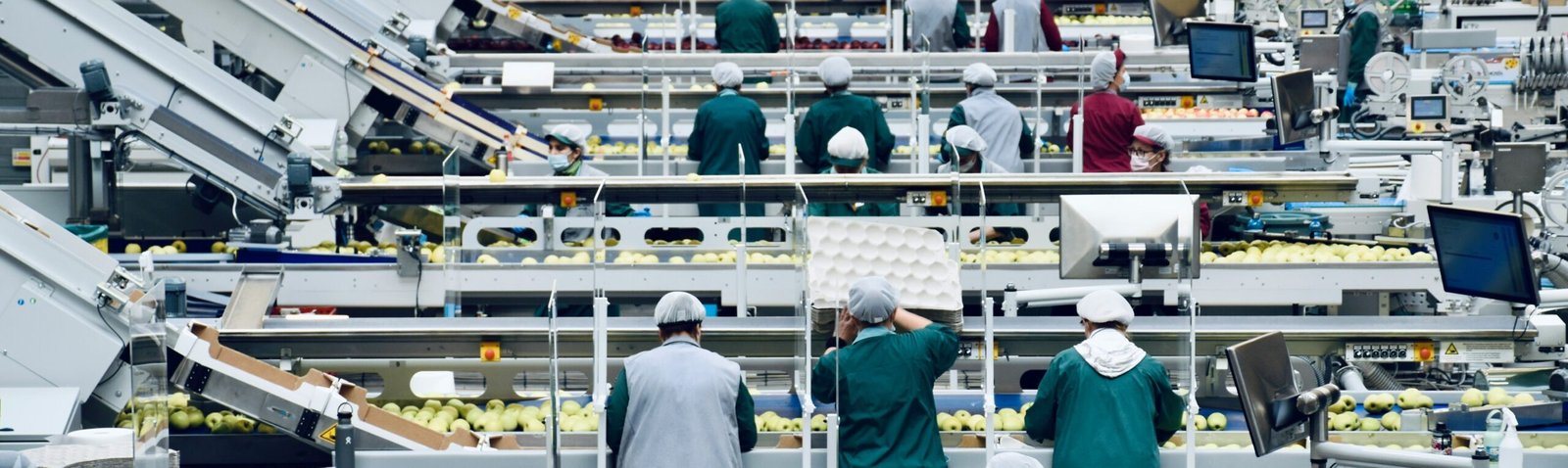
Manufacturers generate a constant flow of information on the shop floor. Every machine cycle, operator action, quality check, and downtime event creates data that reflects the heartbeat of production. This shop floor data can cover equipment performance, workforce activity, material usage, and product quality.
The challenge is that while companies are collecting more data than ever, many find it difficult to turn these numbers into something useful. Spreadsheets and raw reports often sit unused because the insights are not clear or easy to act on.
When shop floor data is transformed into meaningful business intelligence, it becomes a powerful driver of performance. The right insights can reduce costs, improve quality, shorten lead times, and help leaders make smarter decisions.
In this article, we will look at five practical ways to turn shop floor data into business insights that create measurable value, from improving equipment performance and workforce efficiency to strengthening supply chain decisions and driving long-term competitiveness.
Monitor Real-Time Equipment Performance
Modern shop floors are increasingly equipped with IoT sensors and connected devices that track machine health and performance in real time. These systems often measure Overall Equipment Effectiveness (OEE), a key metric that combines availability, performance, and quality to provide a clear picture of how efficiently machines are running. By continuously collecting data on run times, cycle times, and output quality, businesses can see exactly where production is being lost.
One of the biggest advantages of real-time monitoring is the ability to spot bottlenecks before they disrupt the entire production line. For example, if a machine is running below expected performance, managers can quickly investigate whether the issue is due to mechanical wear, operator settings, or material quality. This proactive visibility reduces unplanned downtime, helps maintenance teams prioritize their efforts, and allows schedulers to adjust production plans with greater confidence.
Consider a manufacturer that notices a recurring pattern of short stoppages on a critical piece of equipment. Without real-time data, these interruptions might be dismissed as minor and go unreported. However, when analyzed through OEE tracking, the cumulative effect becomes clear, showing a significant loss in productive hours each week. Addressing the root cause, whether it is a faulty sensor or an inefficient setup procedure, can immediately reclaim valuable capacity and lower overall costs.
Analyze Workforce Productivity and Safety
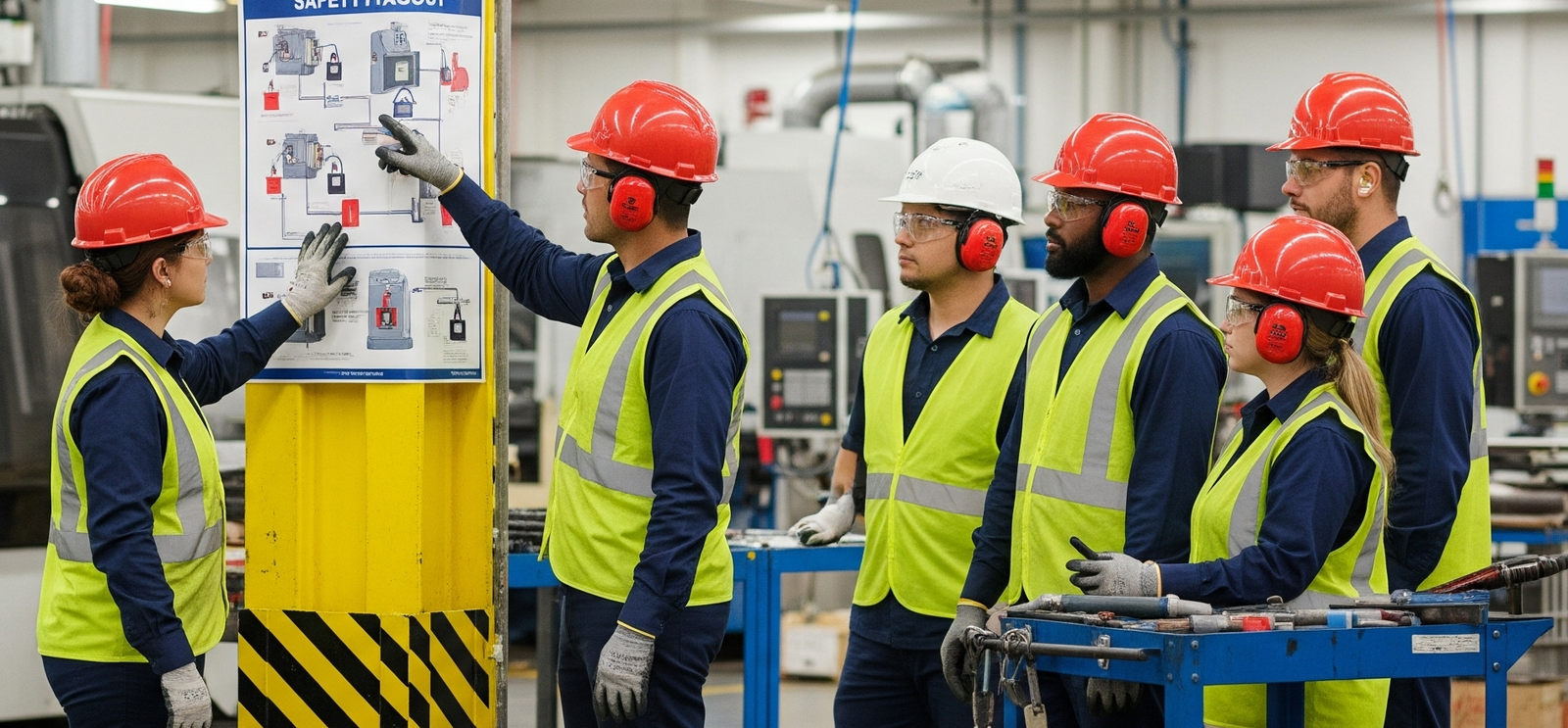
People are just as important to shop floor performance as machines, and data on workforce activity provides valuable insights into productivity and safety. By tracking metrics such as shift output, operator efficiency, and attendance patterns, managers can gain a clearer understanding of how work is distributed and where improvements can be made. This visibility helps identify imbalances in workloads that often lead to bottlenecks or excessive overtime. It also highlights opportunities to streamline processes and allocate resources more effectively.
Workforce data is also essential for improving training. For example, if certain operators consistently achieve higher throughput with fewer errors, their methods can be studied and used to inform training programs for others. On the other hand, if a group of employees is struggling to meet performance targets, managers can step in with targeted coaching or adjustments to the work environment. Over time, this reduces variability between shifts and builds a stronger, more consistent workforce.
Safety analytics are another critical area. Tracking incidents, near misses, and compliance checks creates a data-driven approach to workplace safety. According to the U.S. Occupational Safety and Health Administration (OSHA), companies that adopt systematic safety and health management systems can reduce workplace injuries by 20 to 40 percent. By analyzing patterns in incident reports, such as accidents that happen more frequently during certain shifts or tasks, companies can put preventative measures in place before accidents occur. This not only protects workers but also lowers the risk of costly regulatory fines and legal liabilities.
When combined, productivity and safety insights ensure that the workforce operates at its best while maintaining a safe environment that supports long-term operational success.
Optimize Quality Control with Data Trends
Quality control has traditionally relied on inspections at the end of production, but shop floor data now allows manufacturers to detect issues much earlier. By continuously tracking defect rates, scrap percentages, and customer return data, companies can identify patterns that point to recurring quality problems. For example, a spike in defects on a particular line or shift may reveal that equipment calibration is off or that a specific process needs attention.
Data-driven quality management enables predictive strategies. Instead of reacting to problems after they occur, manufacturers can leverage past production data to forecast where defects are likely to arise. According to IBM, AI models trained on this data can quickly detect unusual patterns and outliers that signal quality control risks. By examining correlations between machine settings, operator inputs, and raw material batches, companies can address potential issues before they affect large batches of products.
A practical example is identifying a supplier-related issue. If defect tracking shows that flaws are consistently linked to a specific batch of raw materials, the problem can be traced back to the supplier and addressed before production continues. This not only improves finished product quality but also reduces scrap costs, rework, and warranty claims.
Leveraging shop floor data for quality control shifts the focus from detection to prevention. The result is more consistent products, stronger customer trust, and a measurable reduction in the cost of poor quality.
Improve Supply Chain and Inventory Decisions
Connecting shop floor data directly to supply chain and inventory systems unlocks new levels of visibility and responsiveness. When you capture real-time information on raw material consumption, work-in-progress (WIP), and finished goods output, you gain control over every stage of production and distribution. This visibility supports more accurate demand forecasting, smoother just-in-time production, and significantly lower risks of excess inventory or stockouts. Techniques like WIP tracking using real-time location systems (RTLS), integrated with smart dashboards, allow manufacturing teams to see where materials and products are at every moment, helping to avoid delays and mismatches between supply and demand.
Enhanced visibility pays off in forecasting and planning. Manufacturers who integrate real-time data from their enterprise systems, even if already in place, can leverage AI-powered analytics to improve daily decision making in areas such as procurement, inventory, and customer satisfaction.
By using shop floor data to inform buying decisions, production planning, and supplier communication, manufacturers can operate with greater agility. The result is a leaner supply chain that responds flexibly to demand fluctuations, minimizes waste, and delivers better return on inventory investment.
Drive Continuous Improvement Through Predictive Analytics
Predictive analytics is one of the most powerful ways to transform shop floor data into lasting business improvements. Instead of only looking backward at what has happened, predictive models use historical data to forecast what is likely to occur next. This approach enables proactive strategies such as predictive maintenance, where equipment performance data is analyzed to determine when a machine is likely to fail.
Machine learning is central to this shift. By processing large volumes of shop floor data, algorithms can identify subtle patterns that humans might miss. For example, a model might detect that a certain vibration frequency in a motor, combined with a specific temperature range, predicts a breakdown within the next 48 hours. Maintenance teams can then intervene at the optimal time, avoiding both costly unplanned downtime and unnecessary preventive maintenance.
Predictive analytics also supports broader continuous improvement goals. In lean manufacturing, the focus is on eliminating waste and driving consistent incremental progress. Advanced analytics extends this principle by uncovering opportunities for improvement that are hidden in complex data sets. For instance, production cycle data might reveal that small variations in setup times are causing measurable throughput losses. Addressing these inefficiencies contributes directly to lean initiatives and boosts overall equipment effectiveness.
When predictive insights are incorporated into everyday decision making, manufacturers not only solve immediate problems but also build a culture of continuous improvement. Over time, this creates a more resilient, efficient, and competitive operation that adapts quickly to changes in demand and production conditions.
Conclusion
Shop floor data holds enormous potential, but its true value comes only when it is translated into insights that drive better decisions. By monitoring equipment performance in real time, analyzing workforce productivity and safety, optimizing quality control, improving supply chain visibility, and applying predictive analytics, manufacturers can unlock measurable improvements across efficiency, cost, and customer satisfaction.
Getting started does not require a massive digital transformation all at once. Many companies find success by starting small, such as tracking a single metric like Overall Equipment Effectiveness (OEE) or automating one recurring report. Once those quick wins are in place, teams can expand into more advanced applications like predictive maintenance or AI-powered forecasting. This incremental approach ensures buy-in from employees and builds a foundation for long-term success.
For organizations ready to take the next step, adopting a shop floor data platform or analytics dashboard can make insights more accessible and actionable. Companies that integrate data-driven insights into daily decision making are more likely to see sustained performance improvements and stronger competitive positioning. Consulting with industry experts can also help identify which data sources and metrics will create the most impact.
The bottom line is that data should never sit unused. When shop floor data is turned into clear, actionable business intelligence, it becomes a powerful tool for continuous improvement, stronger supply chains, safer workplaces, and more profitable operations.
Start unlocking the hidden value of your shop floor today. Evaluate your current data collection processes, implement a dashboard or analytics platform, and begin turning raw data into actionable insights that drive measurable results.
Contact us today to see how our analytics platform and expert team can help you improve efficiency, reduce downtime, and make smarter operational decisions. Start your data-driven transformation now.